Three half-days. Three time zones. Fifteen sessions.
Field Talk runs across 17–19 November 2026, with each half-day oriented to a different set of time zones so practitioners worldwide can attend live.
The programme is being finalised. Sessions confirmed so far are listed below - check back for updates.
Themes
AI governance in practice
Beyond the frameworks - what is actually working inside organisations? Real implementation stories, not theoretical models.
GDPR realities
Eight years in. What have we learned? What still is not working? Honest assessments from people running programmes day to day.
Security and infrastructure
The operational side that rarely gets conference airtime. Architecture decisions, tooling choices, and the messy reality of keeping data safe.
Interested in speaking? Get in touch - we prioritise practitioner experience over polished keynotes.
Day 1 · Tuesday 17 November
Europe / MEA
1000–1500 CET / 1200–1600 GST
1000–1040 CET
The AI Governance Gap: What Happens When the Business Moves Faster Than the Framework
About this session
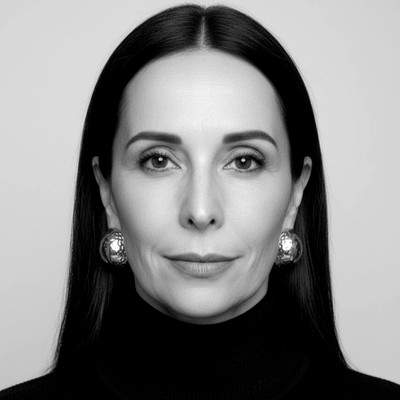
AI governance in practice is rarely the clean, framework-driven exercise the textbooks describe. Organisations typically deploy AI tools before governance structures are fully established. Drawing on her experience building governance across EMEA, Telma explores how to identify existing AI use cases, assess jurisdictional risks, engage stakeholders, and create governance approaches that enable rather than impede business operations — the messy, difficult, necessary work of building the plane while flying it.
Telma Candeias EMEA Head of Data Protection, Retail Broking, Howden
1100–1140 CET
Privacy Is Not a PowerPoint
About this session
Policies and documentation alone do not create compliance. Organisations need to build systems and processes to ensure privacy actually functions in practice.
Katrin Vernik Privacy, Data and AI Governance Manager at Telia

1200–1240 CET
Governing the Autonomous Worker: Best Practices and Tooling for Enterprise Agentic AI
About this session
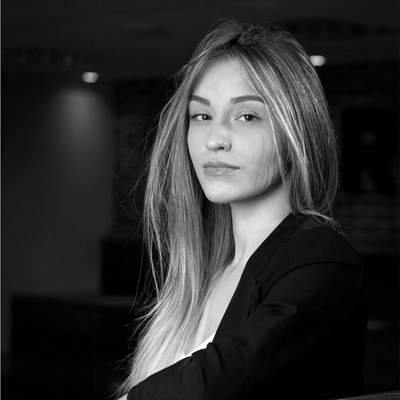
Agentic AI acts independently: executing code, calling APIs, modifying databases, and making operational decisions with minimal human intervention. As organisations move toward autonomous AI systems, they must adapt their risk management and data protection approaches accordingly. This session equips privacy, AI, and security professionals with practical strategies to govern, monitor, and secure autonomous AI systems in enterprise environments.
Fernanda Nones DPO, RD Station, TOTVS, Brazil
1300–1340 CET
Wrong Tools for the Job: Challenges in Operationalising Data and AI Governance
About this session
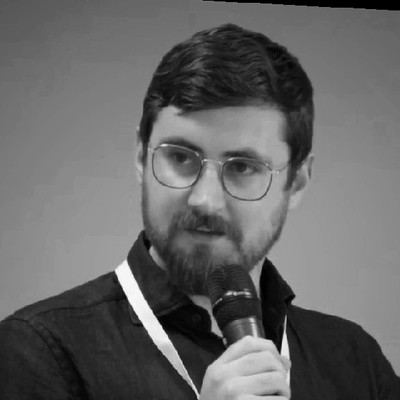
Data protection and AI governance teams are often working with the wrong tools or on shaky infrastructural foundations — inherited systems, vendor lock-in that limits flexibility, or off-the-shelf solutions that were never designed for the job. This session examines the technological and organisational trends that lead to these challenges, as well as the practical consequences: where the mismatch between infrastructure, tools, and goals creates friction, gaps, and compliance risks.
Shane Patrick McNamee Barrister and Digital Rights Advocate
1400–1500 CET
Online Privacy: The State of Play
About this session
Alexander Hanff will present the findings of his research into website tracking based on a forensic audit of 100 of the top 200 global websites. His work highlights issues around consent and the ubiquitous surveillance taking place across the majority of the web despite laws designed to prevent it. This session is a preview of his upcoming white paper which will be published the same day.
Alexander Hanff Privacy Leader & Data Protection Strategist

Day 2 · Wednesday 18 November
Americas / Europe
0800–1300 ET / 0500–1000 PT / 1400–1900 CET
1400–1440 CET
The Interplay Between NIS2 and GDPR
About this session
How does the NIS2 Directive relate to GDPR’s principles of integrity, confidentiality, availability, and accountability? As NIS2 is implemented into national law and cybersecurity authorities gain expanded powers, this will significantly affect both GDPR compliance efforts and enforcement activities across organisations. Koen examines the regulatory interplay and what it means in practice.
Koen Hostyn DPO, Privacy for All

1500–1540 CET
Building Your AI Governance Stack
About this session
AI governance is not a single policy or a one-time audit — it is a stack of tools, processes, and decisions that must work together. Tea Mustać draws on her experience at the intersection of law, regulation, and technology to walk through how organisations can build a practical, coherent AI governance stack that holds up under scrutiny and scales with the business.
Tea Mustać COO at SafePorter

1600–1640 CET
A Little Help From My Friends: Life as a DPO
About this session
The DPO role can be an isolating one — but it need not be. Drawing on her own experience, Audrey examines the value of professional networks, trusted friendships, and having people you can turn to when you don’t have all the answers. A candid account of how professional connections have helped her overcome imposter syndrome, build confidence, and recognise that this work is better done together.
Audrey Barrett DPO at SIPTU, Ireland

1700–1740 CET
The Magnificent Data Subject
About this session
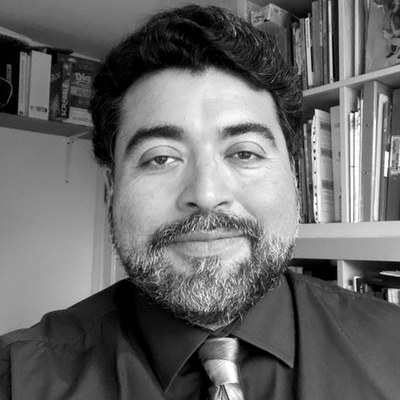
Magnifica humanitas is the first encyclical of Pope Leo XIV, concerned with “safeguarding the human person in the age of artificial intelligence”. It was published on 25 May 2026. Rogelio will be sharing his perspectives on reading Magnifica Humanitas from a data protection vantage point.
Rogelio Aguilar-Alamilla Head of DPO Services, BNP Paribas Group
1800–1840 CET
Who Protects the Protector
About this session
Being a Data Protection Officer means sitting at the crossroads of legal obligation, organisational pressure, and interpersonal conflict — often with little support of your own. Drawing on mediation and risk management, Paula shares practical strategies for managing conflict with opposing parties and difficult personalities, while protecting your own wellbeing and self-preservation in a role that so rarely protects you.
Paula Hoffler President, Irish Computer Society, and independent DPO
Day 3 · Thursday 19 November
APAC / Europe
1400–1900 SGT / 0700–1200 CET
0700–0740 CET
How to Do AI Ethics When All You Have Is a Napkin
About this session
Ethics is the process of justifying the best reasons for action. It asks us to step back and consider: of all the ways we might act, which is best and why? This process is often challenging and confronting, requiring diverse inputs, rigorous thinking, and the courage to take action in alignment with the values we hold most dear. But it need not take weeks or cost a fortune. Nate Kinch shares a practical approach to AI ethics that can be done usefully in as little as 15 minutes.
Nathan Kinch AI Ethicist, Melbourne, Australia

0800–0840 CET
AI Governance in Practice — Beyond the Frameworks, What Is Actually Working?
About this session
A discussion on which practices are necessary to uphold legal compliance and, at the same time, which activities actually do the job of getting an overview and being able to work on AI governance in practice.
Olivia Roth DPO & AI Protection Officer, Yves Rocher One

0900–0940 CET
When the Textbooks Don't Match Reality
About this session
Eirik gives real-life examples and reflects on what worked, and what didn’t, when building data protection structures from scratch in an unprepared and complex organisation.
Eirik Randsborg Lie DPO at Fagforbundet, Norway

1000–1040 CET
Persecution to Protection: The Origins of European Privacy Law and the Road to the GDPR
About this session
Data protection law did not emerge from a regulatory committee. It grew from the wreckage of war, persecution, and the systematic abuse of personal information by states. Corné traces the historical foundations of privacy law, examining how those circumstances made privacy a fundamental right and shaped the legal framework practitioners work within today — framing data protection work as meaningful protection, not mere regulatory compliance.
Corné Purcell DPO
1100–1140 CET
How Enterprise Architecture and Information Security Jointly Enables Digital Transformation and Growth
About this session
Too often, architecture and security are seen as controls that slow change. This keynote challenges that perception by showing how they can become powerful enablers of innovation, customer trust, and competitive advantage, accelerating digital transformation while protecting what matters most.
Marcell Olsen CISO & Head of Enterprise Architecture, Ambu A/S